
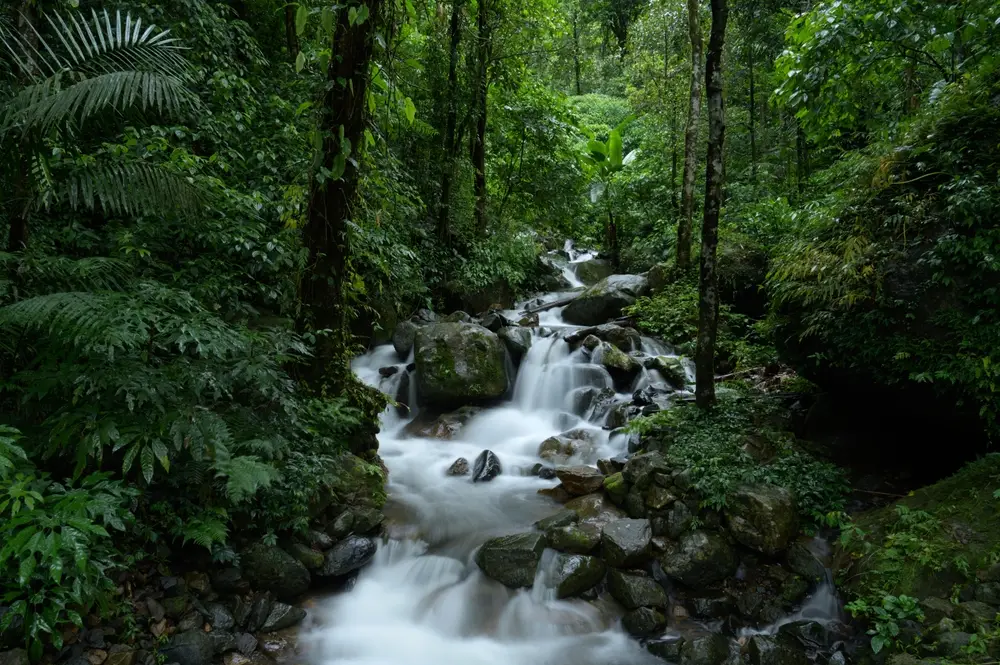
The amazing state of Meghalaya is also called the “Abode of Clouds” as it is a land of breathtaking landscapes, vibrant cultures and unmatched biodiversity. Hidden within its rolling hills and lush valleys are some of India’s most remarkable sanctuaries, where rare plants and animals thrive in protected ecosystems.
For travellers, these sanctuaries are more than just protected areas as these are opportunities to witness the living wonders of the Northeast. Whether you are trekking through the dense forests, spotting endangered species or simply marvelling at orchids in bloom, a wildlife sanctuary in Meghalaya promises you experiences that remain etched in your memory for a long time.
Let us explore six of the most outstanding wildlife sanctuaries that deserve a place on every traveller’s itinerary.
1. Baghmara Pitcher Plant Wildlife Sanctuary
This sanctuary is truly unique because it is one of the few places in India dedicated primarily to the conservation of a single plant species. It is the home of the Nepenthes khasiana, commonly known as the pitcher plant. These are rare carnivorous plants that have evolved to trap insects for their survival, a fascinating process to watch in the wild. While the plants are the main attraction, the sanctuary is a complete ecosystem in itself.
Located in the South Garo Hills district, this wildlife sanctuary also shelters a variety of animals such as wild elephants, deer, and gaurs. Birdwatchers will have a great time here as well, with numerous bird species like the grey-headed fish eagle, white-legged falconet, and the tawny fish owl frequently spotted in the canopy. Its compact size makes it easily accessible for a day trip, while its ecological uniqueness draws botanists and nature lovers from all over the world.
For travellers seeking something different from the usual tiger reserves, the Baghmara Pitcher Plant Wildlife Sanctuary stands out as a one-of-a-kind wildlife sanctuary in Meghalaya.
Also Read: 11 Coldest Places in South India You Must Visit
2. Nokrek National Park
Nokrek National Park is a superstar on the map of Indian wildlife. It was recognised as a UNESCO Biosphere Reserve in 2009 and stands out as one of Meghalaya’s most precious ecological treasures. It is one of the least disturbed forest regions located within the sub-Himalayan range, meaning the forest here looks much like it did hundreds of years ago. It is also famous for being the home of the ancestors of the citrus fruit, the Citrus indica (locally called Memang Narang).
The park is a haven for a wide variety of wildlife. It is one of the best places to spot the adorable and elusive Red Panda. Apart from that, you can find Asian elephants, clouded leopards, gaurs, Himalayan black bears, and painted storks.
The terrain is filled with dense forests, beautiful rolling hills, and sparkling streams, making this wildlife sanctuary in Meghalaya a perfect destination for eco-tourists. There are several trekking trails within the park that provide breathtaking views and a true wilderness experience, allowing you to soak in the fresh air and the sounds of the jungle.
3. Balphakram National Park
Balphakram National Park literally translates to the “Land of Perpetual Winds,” and it is undoubtedly one of the most fascinating sanctuaries in the state. Located in the Garo Hills, this park is often compared to the Grand Canyon of the USA because of its deep gorges and dramatic cliffs. It is famous for its unique plateau formations, deep canyons, and limestone caves, making it a place of both geological and ecological interest that adds a layer of mystery to this north-eastern paradise.
This sanctuary is rich in biodiversity and is home to species like Asiatic elephants, water buffalo, red pandas, tigers, marbled cats, grey-headed fish eagles, king vultures, and many others. However, this wildlife sanctuary in Meghalaya is not only about natural beauty; it is also about local folklore. The Garo people believe that the spirits of the departed souls rest here before moving on to the afterlife. This mix of spooky legends and stunning wildlife makes Balphakram a must-visit for adventure seekers.
4. Nongkhyllem Wildlife Sanctuary
This wildlife sanctuary is located in the global biodiversity hotspot of the Eastern Himalayas and offers you a diverse range of flora and fauna that rivals any major national park. Spread across roughly 29 square kilometres in the Ri-Bhoi district, it is a dense patch of greenery that feels like a world away from civilisation. This sanctuary hosts several endangered species of both flora and fauna, including the magnificent rufous-necked hornbill, which is a delight to spot.
Species such as Asiatic elephants, Royal Bengal tigers, barking deer, slow loris, rufous turtle dove, and Siberian ducks find their shelter in the evergreen forests of this area. The sanctuary is particularly significant for its successful efforts to conserve rare and endangered species that are disappearing from other parts of the world. For wildlife enthusiasts and serious birdwatchers, this wildlife sanctuary in Meghalaya provides a rewarding experience of both adventure and discovery. The best time to visit is during the winter months when the weather is pleasant for long jungle walks.
Also Read: 7 Places to visit in Sundarbans National Park in 2025
5. Siju Wildlife Sanctuary
This sanctuary is situated in the South Garo Hills and lies adjacent to the famous Siju Caves, also known as Dobakkol or the Cave of Bats. It is famous for its focused efforts to protect grey hornbills, a bird species that is vital to the local ecosystem. As the oldest wildlife reserve in Meghalaya, it holds a special place in the history of conservation in the state. It acts as a safe corridor for migrating animals, including elephants, leopards, slow lorises, sambhars, barking deer, tigers, spoonbills, and water monitors.
The landscape here is dramatic and beautiful. Dense evergreen forests, massive limestone caves, and underground rivers create a mystical atmosphere that sets it apart from other sanctuaries. The river Simsang flows through this region, adding to the scenic beauty and attracting various water birds. Its combination of unique geography and rich wildlife makes this wildlife sanctuary in Meghalaya an unforgettable destination for travellers who love both cave exploration and biodiversity.
6. Narpuh Wildlife Sanctuary
Narpuh Wildlife Sanctuary is a pristine gem located in the Jaintia Hills and is incredibly rich in both flora and fauna. It was declared a sanctuary to protect the remaining patch of pristine forest in the area. It is a critical habitat that protects over 99 species of birds and 199 species of butterflies, making it a colourful paradise during the blooming season. This area is prone to heavy rainfall, and as a result, it is covered with lush, thick evergreen forests that stay green all year round.
It plays a very important role in preserving the ecological balance of the region and provides a safe habitat for species such as leopards, king cobras, rock pythons, hoolock gibbons, and serows. The presence of the Hoolock Gibbon, the only ape found in India, makes this place very special. For visitors, this wildlife sanctuary in Meghalaya offers a blend of adventure, peace, and the chance to spot species that are rare elsewhere in India. It is an ideal spot for those who want to go off the beaten track.
Also Read: Top 7 Hidden Beaches in Odisha You Must Visit in 2025
7. Langshiang Wildlife Sanctuary
Located in the scenic West Khasi Hills near the famous Langshiang Falls, the Langshiang Wildlife Sanctuary is known for its pristine forests and rich biodiversity. The area is visually stunning, with the roar of the waterfalls often heard in the background as you explore the forest. It is home to diverse species like Asiatic elephants, leopards, barking deer, and a wide variety of birds that fill the air with their songs.
The sanctuary also hosts rare orchids and medicinal plants, making it a perfect spot for botanists and wildlife enthusiasts alike. The local communities here have a deep knowledge of these plants, often using them for traditional healing. The terrain is hilly and offers excellent opportunities for trekking. If you visit, you can combine a wildlife tour with a visit to the Langshiang Falls, which is one of the highest waterfalls in the state, making for a perfect day of nature appreciation.
8. Mawphlang Sacred Forest & Wildlife Sanctuary
Situated just a short drive from Shillong, the Mawphlang Sacred Forest is both a cultural and ecological treasure. Unlike standard government sanctuaries, this is a community-protected grove that has been preserved by religious sanctions for centuries. It is a protected area with ancient trees, unique flora, and wildlife such as wild boars, civets, and various bird species. The local Khasi rule is strict: you cannot take even a single leaf or stone out of this forest, or bad luck will befall you.
Because of these strict rules, the forest has been preserved in its original, primeval state. The sanctuary is ideal for nature walks, educational trips, and experiencing Meghalaya’s sacred forest traditions. Inside, you will find monoliths representing the sacrifice of the ancestors and rare Rudraksha trees. Walking through the dark, cool canopy of Mawphlang is a spiritual experience, connecting you deeply with nature and the ancient traditions of the Khasi people.
9. Nongkhnum River Island Wildlife Sanctuary
Top 10 Wildlife Sanctuary in Meghalaya You Must Explore
Meta Title: Top 10 Wildlife Sanctuary in Meghalaya: A Complete Travel Guide
Meta Description: Discover the top 10 wildlife sanctuaries in Meghalaya. Explore Nokrek, Balphakram, and more with our guide to biodiversity in the Abode of Clouds.
The amazing state of Meghalaya is widely known as the “Abode of Clouds,” but it is so much more than just a rainy destination. It is a mystical land filled with breathtaking landscapes, vibrant tribal cultures, and an unmatched level of biodiversity that you won’t find anywhere else in India. Hidden deep within its rolling hills, limestone caves, and lush green valleys are some of the country’s most remarkable protected areas. Here, rare plants and elusive animals thrive in ecosystems that have remained untouched for centuries.
For travellers, these sanctuaries are more than just government-protected zones; they are golden opportunities to witness the living wonders of the Northeast up close. Whether you are trekking through the dense, foggy forests, trying to spot endangered species like the Red Panda, or simply marvelling at wild orchids in full bloom, a trip to a wildlife sanctuary in Meghalaya promises experiences that will remain etched in your memory forever. If you are a nature lover or a photography enthusiast, this state is your paradise.
Let us explore ten of the most outstanding wildlife sanctuaries that deserve a top spot on every traveller’s itinerary.
1. Baghmara Pitcher Plant Wildlife Sanctuary
This sanctuary is truly unique because it is one of the few places in India dedicated primarily to the conservation of a single plant species. It is the home of the Nepenthes khasiana, commonly known as the pitcher plant. These are rare carnivorous plants that have evolved to trap insects for their survival, a fascinating process to watch in the wild. While the plants are the main attraction, the sanctuary is a complete ecosystem in itself.
Located in the South Garo Hills district, this wildlife sanctuary also shelters a variety of animals such as wild elephants, deer, and gaurs. Birdwatchers will have a great time here as well, with numerous bird species like the grey-headed fish eagle, white-legged falconet, and the tawny fish owl frequently spotted in the canopy. Its compact size makes it easily accessible for a day trip, while its ecological uniqueness draws botanists and nature lovers from all over the world. For travellers seeking something different from the usual tiger reserves, the Baghmara Pitcher Plant Wildlife Sanctuary stands out as a one-of-a-kind wildlife sanctuary in Meghalaya.
2. Nokrek National Park
Nokrek National Park is a superstar on the map of Indian wildlife. It was recognised as a UNESCO Biosphere Reserve in 2009 and stands out as one of Meghalaya’s most precious ecological treasures. It is one of the least disturbed forest regions located within the sub-Himalayan range, meaning the forest here looks much like it did hundreds of years ago. It is also famous for being the home of the ancestors of the citrus fruit, the Citrus indica (locally called Memang Narang).
The park is a haven for a wide variety of wildlife. It is one of the best places to spot the adorable and elusive Red Panda. Apart from that, you can find Asian elephants, clouded leopards, gaurs, Himalayan black bears, and painted storks. The terrain is filled with dense forests, beautiful rolling hills, and sparkling streams, making this wildlife sanctuary in Meghalaya a perfect destination for eco-tourists. There are several trekking trails within the park that provide breathtaking views and a true wilderness experience, allowing you to soak in the fresh air and the sounds of the jungle.
3. Balphakram National Park
Balphakram National Park literally translates to the “Land of Perpetual Winds,” and it is undoubtedly one of the most fascinating sanctuaries in the state. Located in the Garo Hills, this park is often compared to the Grand Canyon of the USA because of its deep gorges and dramatic cliffs. It is famous for its unique plateau formations, deep canyons, and limestone caves, making it a place of both geological and ecological interest that adds a layer of mystery to this north-eastern paradise.
This sanctuary is rich in biodiversity and is home to species like Asiatic elephants, water buffalo, red pandas, tigers, marbled cats, grey-headed fish eagles, king vultures, and many others. However, this wildlife sanctuary in Meghalaya is not only about natural beauty; it is also about local folklore. The Garo people believe that the spirits of the departed souls rest here before moving on to the afterlife. This mix of spooky legends and stunning wildlife makes Balphakram a must-visit for adventure seekers.
4. Nongkhyllem Wildlife Sanctuary
This wildlife sanctuary is located in the global biodiversity hotspot of the Eastern Himalayas and offers you a diverse range of flora and fauna that rivals any major national park. Spread across roughly 29 square kilometres in the Ri-Bhoi district, it is a dense patch of greenery that feels like a world away from civilisation. This sanctuary hosts several endangered species of both flora and fauna, including the magnificent rufous-necked hornbill, which is a delight to spot.
Species such as Asiatic elephants, Royal Bengal tigers, barking deer, slow loris, rufous turtle dove, and Siberian ducks find their shelter in the evergreen forests of this area. The sanctuary is particularly significant for its successful efforts to conserve rare and endangered species that are disappearing from other parts of the world. For wildlife enthusiasts and serious birdwatchers, this wildlife sanctuary in Meghalaya provides a rewarding experience of both adventure and discovery. The best time to visit is during the winter months when the weather is pleasant for long jungle walks.
5. Siju Wildlife Sanctuary
This sanctuary is situated in the South Garo Hills and lies adjacent to the famous Siju Caves, also known as Dobakkol or the Cave of Bats. It is famous for its focused efforts to protect grey hornbills, a bird species that is vital to the local ecosystem. As the oldest wildlife reserve in Meghalaya, it holds a special place in the history of conservation in the state. It acts as a safe corridor for migrating animals, including elephants, leopards, slow lorises, sambhars, barking deer, tigers, spoonbills, and water monitors.
The landscape here is dramatic and beautiful. Dense evergreen forests, massive limestone caves, and underground rivers create a mystical atmosphere that sets it apart from other sanctuaries. The river Simsang flows through this region, adding to the scenic beauty and attracting various water birds. Its combination of unique geography and rich wildlife makes this wildlife sanctuary in Meghalaya an unforgettable destination for travellers who love both cave exploration and biodiversity.
6. Narpuh Wildlife Sanctuary
Narpuh Wildlife Sanctuary is a pristine gem located in the Jaintia Hills and is incredibly rich in both flora and fauna. It was declared a sanctuary to protect the remaining patch of pristine forest in the area. It is a critical habitat that protects over 99 species of birds and 199 species of butterflies, making it a colourful paradise during the blooming season. This area is prone to heavy rainfall, and as a result, it is covered with lush, thick evergreen forests that stay green all year round.
It plays a very important role in preserving the ecological balance of the region and provides a safe habitat for species such as leopards, king cobras, rock pythons, hoolock gibbons, and serows. The presence of the Hoolock Gibbon, the only ape found in India, makes this place very special. For visitors, this wildlife sanctuary in Meghalaya offers a blend of adventure, peace, and the chance to spot species that are rare elsewhere in India. It is an ideal spot for those who want to go off the beaten track.
7. Langshiang Wildlife Sanctuary
Located in the scenic West Khasi Hills near the famous Langshiang Falls, the Langshiang Wildlife Sanctuary is known for its pristine forests and rich biodiversity. The area is visually stunning, with the roar of the waterfalls often heard in the background as you explore the forest. It is home to diverse species like Asiatic elephants, leopards, barking deer, and a wide variety of birds that fill the air with their songs.
The sanctuary also hosts rare orchids and medicinal plants, making it a perfect spot for botanists and wildlife enthusiasts alike. The local communities here have a deep knowledge of these plants, often using them for traditional healing. The terrain is hilly and offers excellent opportunities for trekking. If you visit, you can combine a wildlife tour with a visit to the Langshiang Falls, which is one of the highest waterfalls in the state, making for a perfect day of nature appreciation.
8. Mawphlang Sacred Forest & Wildlife Sanctuary
Situated just a short drive from Shillong, the Mawphlang Sacred Forest is both a cultural and ecological treasure. Unlike standard government sanctuaries, this is a community-protected grove that has been preserved by religious sanctions for centuries. It is a protected area with ancient trees, unique flora, and wildlife such as wild boars, civets, and various bird species. The local Khasi rule is strict: you cannot take even a single leaf or stone out of this forest, or bad luck will befall you.
Because of these strict rules, the forest has been preserved in its original, primeval state. The sanctuary is ideal for nature walks, educational trips, and experiencing Meghalaya’s sacred forest traditions. Inside, you will find monoliths representing the sacrifice of the ancestors and rare Rudraksha trees. Walking through the dark, cool canopy of Mawphlang is a spiritual experience, connecting you deeply with nature and the ancient traditions of the Khasi people.
9. Nongkhnum River Island Wildlife Sanctuary
This sanctuary is located on Nongkhnum River Island, which is the second-largest river island in Asia, right after Majuli in Assam. It is one of the largest river islands in Meghalaya and offers a unique ecosystem. It features dense forests, stunning waterfalls like the Weinia Falls, and sandy river beaches. The area hosts elephants, leopards, pangolins, and several rare bird species that thrive near the water bodies.
The scenic beauty combined with wildlife spotting makes it an emerging eco-tourism hotspot in Meghalaya. It is a fantastic place for camping and picnics, allowing you to stay close to nature. You can explore the sandy shores, watch the river flow, and spot wildlife coming for a drink. The isolation of the island helps in preserving its natural beauty, making it a peaceful escape for travellers tired of city crowds.
10. Raliang Wildlife Sanctuary
Located in the West Jaintia Hills, Raliang Wildlife Sanctuary is a lesser-known gem with lush forests and rugged hilly terrain. Because it is not as famous as Nokrek or Balphakram, it receives fewer tourists, which is great for the animals and for travellers who prefer silence and solitude. It provides shelter to clouded leopards, elephants, barking deer, and numerous bird species that nest in its tall trees.
The sanctuary is perfect for eco-tourists seeking offbeat destinations and a tranquil wildlife experience. The vegetation here is thick and vibrant, offering great cover for animals. Local guides can help you navigate the trails and point out the hidden wonders of the forest. A visit here supports the idea that every patch of forest is valuable, and it allows you to see a side of Meghalaya that most tourists miss out on.
31 Jungle Tours: Your Guide to Meghalaya’s Wilderness
Exploring these sanctuaries becomes even more memorable with the right guidance. 31 Jungle Tours provides you eco-friendly travel experiences tailored to showcase Meghalaya’s natural treasures. Our tours ensure you experience every wildlife sanctuary in Meghalaya responsibly, right from trekking in Nokrek to birdwatching in Nongkhyllem and exploring the mystical caves near Siju.
With a focus on sustainability and professional expertise, 31 Jungle Tours make your journey exciting while protecting the delicate ecosystem of this state.
Conclusion
Each wildlife sanctuary in Meghalaya offers something unique, whether it’s the floral wonders of Baghmara, the birding paradise of Nongkhyllem or the cultural legends tied to Balphakram. Together, these sanctuaries form a living showcase of the region’s extraordinary biodiversity.
If you are ready to uncover this natural treasure, let 31 Jungle Tours be your trusted travel partner. With our expert guidance, every wildlife sanctuary in Meghalaya you visit will be a rewarding, eco-friendly adventure. Start planning your journey today with 31 Jungle Tours and experience the wild, unspoilt beauty of the Abode of Clouds.
FAQ for Wildlife Sanctuary in Meghalaya Blog
1. What are the must-visit wildlife sanctuaries in Meghalaya?
Meghalaya is home to several incredible wildlife sanctuaries. Some must-visit ones include Baghmara Pitcher Plant Wildlife Sanctuary, Nokrek National Park, Balphakram National Park, Nongkhyllem Wildlife Sanctuary, Siju Wildlife Sanctuary, and Narpuh Wildlife Sanctuary. Each sanctuary in Meghalaya offers unique flora, fauna, and breathtaking landscapes for travellers.
2. Which wildlife sanctuary in Meghalaya is best for birdwatching?
For bird enthusiasts, Nongkhyllem Wildlife Sanctuary is a paradise. This sanctuary in Meghalaya hosts rare species like the rufous-necked hornbill and grey-headed fish eagle, making it ideal for birdwatching and photography in the lush forests.
3. Are there endangered species in Meghalaya’s wildlife sanctuaries?
Yes, several sanctuaries in Meghalaya protect endangered species. For instance, Nokrek National Park shelters red pandas, clouded leopards, and Asian elephants, while Siju Wildlife Sanctuary protects grey hornbills and slow lorises. Visiting these sanctuaries helps support conservation efforts in Meghalaya.
4. What is unique about Baghmara Pitcher Plant Wildlife Sanctuary?
Baghmara Pitcher Plant Wildlife Sanctuary in Meghalaya is unique because it focuses on pitcher plants, rare carnivorous plants that trap insects. Alongside these plants, visitors can also see elephants, deer, and a variety of bird species, making it a one-of-a-kind wildlife experience.
5. Can I go trekking in Meghalaya’s wildlife sanctuaries?
Absolutely! Sanctuaries like Nokrek National Park and Balphakram National Park offer trekking trails that pass through dense forests, hills, and streams. Trekking in these Meghalaya wildlife sanctuaries provides a chance to see wildlife while enjoying the region’s natural beauty.
6. Which sanctuary in Meghalaya is known as the “Land of Perpetual Winds”?
Located in the West Jaintia Hills, Raliang Wildlife Sanctuary is a lesser-known gem with lush forests and rugged hilly terrain. Because it is not as famous as Nokrek or Balphakram, it receives fewer tourists, which is great for the animals and for travellers who prefer silence and solitude. It provides shelter to clouded leopards, elephants, barking deer, and numerous bird species that nest in its tall trees.
The sanctuary is perfect for eco-tourists seeking offbeat destinations and a tranquil wildlife experience. The vegetation here is thick and vibrant, offering great cover for animals. Local guides can help you navigate the trails and point out the hidden wonders of the forest. A visit here supports the idea that every patch of forest is valuable, and it allows you to see a side of Meghalaya that most tourists miss out on.
7. Are there guided tours available for wildlife sanctuaries in Meghalaya?
Yes, guided tours are available through services like 31 Jungle Tours, which provide eco-friendly and professional experiences across Meghalaya’s wildlife sanctuaries. Guided tours help visitors explore the sanctuaries responsibly and safely while learning about the biodiversity.
8. Which sanctuary in Meghalaya is the oldest?
Siju Wildlife Sanctuary is the oldest wildlife reserve in Meghalaya. It protects species like elephants, tigers, slow lorises, and grey hornbills while offering a mystical experience through its limestone caves, underground rivers, and dense evergreen forests.
9. Is it possible to see big mammals like elephants and leopards in Meghalaya’s sanctuaries?
Yes, several wildlife sanctuaries in Meghalaya are home to big mammals. Nokrek National Park, Siju Wildlife Sanctuary, and Nongkhyllem Wildlife Sanctuary host elephants, leopards, tigers, and other large animals, giving wildlife enthusiasts a thrilling experience.
10. What is the best time to visit wildlife sanctuaries in Meghalaya?
The best time to explore Meghalaya wildlife sanctuaries is October to May, when the weather is pleasant and trekking trails are accessible. During this period, visitors can enjoy birdwatching, wildlife spotting, and exploring the lush greenery of the sanctuaries.
11. How many wildlife sanctuaries are in Meghalaya?
Meghalaya has seven major wildlife sanctuaries, including Baghmara Pitcher Plant Wildlife Sanctuary, Nongkhyllem Wildlife Sanctuary, Siju Wildlife Sanctuary, Narpuh Wildlife Sanctuary, and others. These wildlife sanctuaries in Meghalaya protect rare flora and fauna while offering amazing eco-tourism experiences.
12. How many wildlife are in Meghalaya?
Meghalaya is home to hundreds of wildlife species, including elephants, tigers, leopards, red pandas, slow lorises, and numerous bird species. The state’s diverse ecosystems, from dense forests to rivers and caves, make it a rich hub for Meghalaya wildlife.
13. How many national parks are there in Meghalaya?
There are three main national parks in Meghalaya: Nokrek National Park, Balphakram National Park, and Shnongpdeng National Park (lesser known). These parks are part of the state’s protected areas aimed at conserving biodiversity and endangered species.
14. What is the largest wildlife sanctuary in Meghalaya?
Balphakram National Park is considered the largest wildlife sanctuary in Meghalaya. Spread across the Garo Hills, it features unique plateaus, caves, and rich biodiversity including elephants, tigers, and red pandas.
15. What is the biggest wildlife sanctuary?
The biggest wildlife sanctuary in Meghalaya is Balphakram National Park, which is famous for its expansive forests, plateau formations, and diverse wildlife species.
16. What is the biggest forest in Meghalaya?
The Nokrek Biosphere Reserve is one of the largest forest areas in Meghalaya. It is a UNESCO-recognized site and provides habitat to endangered species like red pandas, clouded leopards, and elephants.
17. What is Nongkhyllem Wildlife Sanctuary famous for?
Nongkhyllem Wildlife Sanctuary is famous for its rich birdlife, especially the rufous-necked hornbill. It is also home to elephants, tigers, and clouded leopards, making it a key sanctuary for both wildlife lovers and eco-tourists in Meghalaya.
Pingback: Top 8 Wildlife Sanctuary in Jharkhand You Must Visit
Pingback: All About Singphan Wildlife Sanctuary – Must Visit Spot